Waste Disposal in Central London
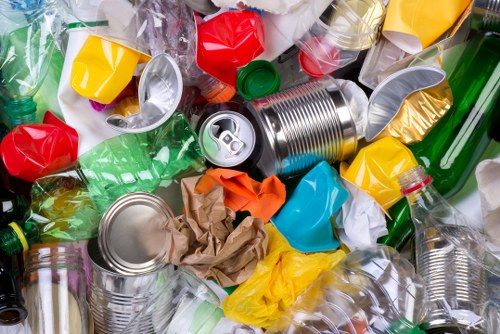
Understanding Waste Disposal
Waste disposal in Central London is a critical issue that impacts the environment, public health, and the overall quality of life for residents and visitors alike. As one of the most densely populated areas in the United Kingdom, Central London faces unique challenges in managing the vast amounts of waste generated daily.
Effective waste management involves not only the collection and disposal of waste but also the implementation of sustainable practices that reduce the overall waste footprint. From residential areas to commercial districts, the strategies employed must cater to diverse needs while adhering to strict environmental regulations.
In this comprehensive guide, we'll explore the various facets of waste disposal in Central London, including the types of waste produced, the methods of disposal, recycling initiatives, and the role of local authorities in maintaining a clean and sustainable environment.
Types of Waste Generated
Central London generates a wide array of waste types, each requiring specific handling and disposal methods. Understanding these categories is essential for effective waste management.
Municipal waste encompasses everyday items such as household garbage, food scraps, and non-recyclable materials produced by residential areas. This type of waste typically constitutes the largest portion of overall waste generation.
Commercial waste is generated by businesses, offices, restaurants, and retail establishments. It includes items like paper, packaging materials, and organic waste. Proper disposal of commercial waste is crucial to prevent environmental contamination and maintain public health standards.
Additionally, hazardous waste arises from industries and healthcare facilities, containing materials that can pose significant risks to human health and the environment if not managed correctly. This category includes chemicals, batteries, and electronic waste, necessitating specialized disposal procedures.

Waste Disposal Methods
Central London employs a combination of waste disposal methods to manage the diverse waste streams effectively. Each method has its advantages and challenges, contributing to the overall waste management strategy.
One of the primary disposal methods is landfilling, where waste is deposited in designated landfill sites. While landfilling is straightforward, it raises concerns about long-term environmental impacts, such as soil and groundwater contamination and methane gas emissions.
Another significant method is incineration, which involves burning waste at high temperatures to reduce its volume and generate energy. Incineration can mitigate the strain on landfill capacity and produce electricity; however, it requires advanced facilities to control emissions and minimize pollution.
Recycling plays a pivotal role in waste disposal by diverting recyclable materials from landfills and incinerators. Effective recycling reduces the need for raw material extraction, conserves energy, and lowers greenhouse gas emissions, contributing to a more sustainable waste management system.

Recycling Programs and Initiatives
Central London has implemented numerous recycling programs aimed at increasing the recycling rate and promoting sustainable waste practices among residents and businesses.
Separate collection systems are in place to facilitate the sorting of recyclable materials such as paper, glass, plastic, and metals. By providing clearly labeled bins and regular collection schedules, these systems encourage proper waste segregation at the source.
Community-based initiatives also play a vital role in enhancing recycling efforts. Programs like recycling workshops and educational campaigns raise awareness about the importance of recycling and provide practical guidance on reducing waste generation.
Moreover, partnerships with private recycling companies ensure that collected materials are processed efficiently and reintegrated into the production cycle, closing the loop in the recycling process and promoting a circular economy.

The Role of Local Authorities
Local authorities in Central London are at the forefront of managing waste disposal through policy-making, regulation enforcement, and service provision.
Waste policies and regulations set the framework for how waste should be managed, emphasizing sustainability and environmental protection. These policies mandate recycling targets, restrict the use of certain materials, and provide guidelines for hazardous waste management.
Furthermore, local authorities oversee the collection and transportation of waste, ensuring that it is handled safely and efficiently. They coordinate with waste management companies and enforce compliance through regular inspections and penalties for non-adherence.
Initiatives such as zero-waste campaigns and incentives for businesses adopting sustainable practices reflect the commitment of local authorities to create a cleaner and greener Central London. These efforts not only address current waste challenges but also pave the way for future improvements in waste management systems.
Challenges in Waste Disposal
Despite the robust waste management infrastructure, Central London faces several challenges that hinder effective waste disposal.
One of the primary issues is the increasing volume of waste, driven by population growth, tourism, and expanding commercial activities. Managing this surge requires scalable and adaptable waste disposal solutions.
Limited landfill capacity poses another significant challenge. As landfill sites near capacity, the pressure to find alternative disposal methods intensifies, necessitating investments in waste-to-energy technologies and enhanced recycling facilities.
Public participation is crucial for the success of waste management programs. However, achieving consistent participation rates can be difficult due to lack of awareness, inconvenience, or resistance to changing waste disposal habits.
To overcome existing challenges, Central London is adopting innovative approaches to waste disposal that emphasize sustainability and efficiency.
Smart waste management systems utilize technology such as IoT sensors and data analytics to optimize waste collection routes, monitor bin levels, and reduce operational costs. These systems enhance the responsiveness and effectiveness of waste disposal services.
Biodegradable materials and sustainable packaging options are being promoted to minimize the environmental impact of waste. By encouraging the use of eco-friendly materials, the city aims to reduce the overall waste generated and support recycling efforts.
Public-private partnerships are fostering innovation by combining resources and expertise from both sectors. Collaborative projects focus on developing advanced recycling techniques, waste-to-energy solutions, and other sustainable practices that contribute to a smarter waste management framework.
Recycling Facilities in Central London
Recycling facilities are the backbone of waste disposal in Central London, handling the sorting, processing, and reintegration of recyclable materials into the production cycle.
Material recovery facilities (MRFs) play a critical role in separating recyclable materials from the waste stream. Equipped with advanced sorting technologies, MRFs enhance the efficiency and accuracy of the recycling process, ensuring that high-quality recyclables are recovered.
Glass and metal recycling plants specialize in processing specific materials, allowing for specialized handling and reducing contamination rates. These facilities contribute significantly to the overall recycling capacity of the city.
Electronic waste (e-waste) recycling centers address the growing concern of disposing of electronic devices responsibly. By extracting valuable components and safely disposing of hazardous materials, these centers help mitigate the environmental impact of e-waste.
Public Participation and Education
Engaging the public in waste disposal initiatives is essential for achieving sustainable waste management in Central London.
Educational campaigns inform residents and businesses about the importance of proper waste segregation, recycling, and reducing waste generation. Workshops, seminars, and informational materials are used to disseminate knowledge and encourage behavioral changes.
Community involvement through volunteer programs and local initiatives fosters a sense of responsibility and collective effort towards maintaining a clean environment. Events like neighborhood clean-ups and recycling drives promote active participation.
Incentive programs reward individuals and organizations for adopting sustainable waste practices. These incentives can include discounts on waste collection services, recognition awards, and financial benefits for achieving recycling targets.
Future Outlook
The future of waste disposal in Central London lies in embracing sustainability, innovation, and collaborative efforts.
Advancements in recycling technologies promise to increase the efficiency and scope of recycling operations, enabling the processing of a wider range of materials and reducing reliance on landfills and incinerators.
Zero-waste initiatives aim to eliminate waste by redesigning resource life cycles, promoting reuse, and minimizing waste production at the source. Achieving zero waste requires systemic changes and commitment from all stakeholders.
Policy developments will continue to shape the landscape of waste management, with stricter regulations and higher recycling targets pushing for more sustainable practices and innovations in the industry.
Ultimately, the success of waste disposal efforts in Central London depends on the collective actions of the government, businesses, and the community. By prioritizing sustainability and adopting forward-thinking strategies, Central London can set a benchmark for effective and responsible waste management.
Ready to make a positive impact on Central London’s environment? Contact us today to learn more about sustainable waste disposal solutions and how you can contribute to a cleaner, greener city.
