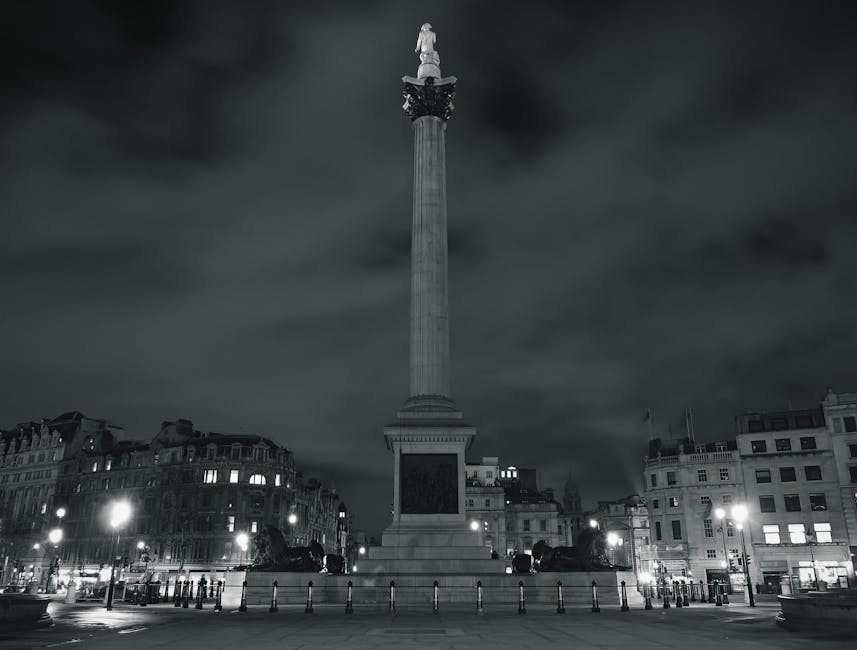
Trafalgar Square post-show rubbish removal, Central London
After a show, event, activation, or promotional build-up in and around Trafalgar Square, the last thing you want is to leave behind bags, packaging, props, cable ties, catering waste, or broken display materials. Yet that is exactly what happens if rubbish removal is left until the end. Trafalgar Square post-show rubbish removal, Central London, is the practical service that clears everything quickly, discreetly, and with as little disruption as possible. It keeps the area tidy, helps teams hand space back on time, and avoids that awkward moment where the day is done but the mess is still there.
This guide explains how the process works, who needs it, what to watch out for, and how to choose the right approach for a busy central London site. If you are managing an event near Trafalgar Square, or you are responsible for the clear-down after a performance, you will find a lot here that is genuinely useful. And yes, there is a difference between simply "taking some rubbish away" and doing it well. Quite a big difference, to be fair.
Table of Contents
- Why Trafalgar Square post-show rubbish removal, Central London Matters
- How Trafalgar Square post-show rubbish removal, Central London Works
- Key Benefits and Practical Advantages
- Who This Is For and When It Makes Sense
- Step-by-Step Guidance
- Expert Tips for Better Results
- Common Mistakes to Avoid
- Tools, Resources and Recommendations
- Law, Compliance, Standards, or Best Practice
- Options, Methods, or Comparison Table
- Case Study or Real-World Example
- Practical Checklist
- Conclusion
- Frequently Asked Questions
Why Trafalgar Square post-show rubbish removal, Central London Matters
Trafalgar Square is not the sort of place where waste can be left hanging around. It is busy, highly visible, and tightly connected to neighbouring streets such as the Strand, Covent Garden, and Whitehall. That means post-show clear-downs need to be efficient, calm, and properly planned. One missed pile of packaging can quickly become a nuisance, especially where pedestrians, traffic marshals, security staff, and venue teams are all trying to move at once.
There is also the reputation factor. In central London, the state of the space after an event says a lot about the organiser. A clean handover feels professional. A cluttered one does not. If you are coordinating a brand event, a cultural activation, or a performance-related set-down, the rubbish phase is part of the event itself, not an afterthought.
Post-show rubbish removal matters for another reason too: timing. Many event teams have tight venue windows, evening curfews, or restricted access periods. If the clear-down overruns, costs can rise fast. Staff wait. Vehicles idle. The square feels tighter. And everyone becomes slightly more stressed than they planned to be at 10:30pm.
For organisers working across wider Central London, it helps to think of this as part of the same family of services as rubbish removal in Central London and general waste clearance. The difference is in the environment: Trafalgar Square is public-facing, time-sensitive, and often logistically awkward in a way that smaller sites simply are not.
How Trafalgar Square post-show rubbish removal, Central London Works
The process usually starts before the event is even over. A good team will ask what kind of waste is likely to be created, where it will be stored, and how access will work when the audience leaves. That might sound basic, but in a central location it matters. If a collection vehicle cannot safely reach the site, or if waste is spread across several points, the job becomes slower and more expensive.
In practice, post-show waste clearance often follows a simple pattern:
- Pre-clear briefing - the team identifies waste streams, access points, and any tricky items such as pallet wrap, signage, or bulky props.
- On-site sorting - rubbish is gathered into manageable groups, usually separating general waste from cardboard, reusable materials, and anything needing special handling.
- Loading and removal - items are taken away safely, with care around public areas, pavements, and any remaining event infrastructure.
- Final sweep - a last check makes sure no loose debris, bottle caps, cable ties, or packaging is left behind.
- Responsible disposal - waste is sent to the appropriate facility or transfer station, depending on the material and service arranged.
The exact approach depends on the event size. A small post-show clear-up after a press launch is very different from a larger production with staging, temporary furniture, or dense packaging waste. Sometimes the job looks tidy until you start moving things, then the hidden bits appear. It happens. Cardboard, tape, plastic strapping, and awkward offcuts have a way of multiplying quietly in corners.
For larger, heavier, or mixed waste loads, it may make sense to use a service that sits alongside builders waste clearance, especially where temporary structures, set materials, or event build components are involved. For everything else, a straightforward rubbish collection or waste collection arrangement may be enough.
Key Benefits and Practical Advantages
The clearest benefit is speed. A focused post-show team can remove waste while the site is still fresh in everyone's mind, which reduces confusion and helps the space return to normal faster. That sounds obvious, but in a live event environment it is a real advantage.
Other practical benefits include:
- Cleaner handover - the venue or public authority gets the area back in better condition.
- Less staff fatigue - your team can concentrate on closing the event, not hauling bin bags across a square.
- Better safety - fewer loose items mean fewer trip hazards and fewer awkward near-misses.
- More reliable scheduling - clear-down can be built into a realistic timeline instead of guessed at the last minute.
- Less reputational risk - clean sites make organisers look organised. Simple as that.
There is also a waste-handling advantage. Post-show rubbish is rarely just "rubbish". It may include cardboard, plastic film, damaged furniture, catering waste, promotional materials, display items, or event furniture that needs disposal. Services like furniture disposal and sofa removal become relevant if the space includes temporary seating, lounge areas, or hired furnishings that need to go quickly.
For larger organisers, the benefit is also psychological. When the clear-down is under control, the whole team breathes easier. There is less scramble, fewer double-checks, and less of that late-night feeling that one forgotten pile will come back to haunt you tomorrow morning. Truth be told, that peace of mind is worth a lot.
Who This Is For and When It Makes Sense
This type of rubbish removal makes sense for anyone responsible for an event, production, or temporary installation near Trafalgar Square. That includes event producers, venue managers, brand activation teams, catering coordinators, production crews, facilities teams, and contractors wrapping up after a show or public-facing event.
It is especially useful when the waste is bulky, mixed, or time-sensitive. For example:
- a theatre or performance team clearing temporary signage and printed materials
- a PR or launch event that has generated packaging, display stands, and catering waste
- a pop-up installation that used furniture, props, or temporary decor
- a contractor removing build materials after a short-term event fit-out
- a hospitality team needing a fast clear-down before the next booking window
If your event also overlaps with office or commercial operations in nearby districts, a broader service such as business waste support or office clearance may be useful for the overflow. Not every job is neatly one category. Central London rarely is.
It can also make sense for one-off situations where a venue has inherited leftover event materials after the main team has moved on. That happens more often than people admit. The final five per cent of the job is sometimes the bit that causes ninety per cent of the irritation.
Step-by-Step Guidance
If you want the clear-down to go smoothly, treat it as a mini-project. Not a crisis. Just a sequence. A sensible one.
1. Identify the waste before the event ends
Walk the site early if you can. Notice where bags, boxes, signage, and bulky items are likely to gather. Decide whether any materials can be reused, donated, or separated from general waste. Cardboard and clean packaging should not be treated the same way as mixed rubbish.
2. Confirm access and timing
Central London access can be the difference between a smooth job and a frustrating one. Confirm loading points, parking arrangements, lift access if relevant, and any time restrictions. Around Trafalgar Square, that sort of planning matters more than people expect.
3. Set up simple waste zones
Use labelled bags, crates, or stacks if possible. Even basic separation helps. If everything goes into one pile, the clear-down takes longer and sorting becomes messy later. A little order at the source saves a lot of time at the end.
4. Remove bulky items first
Take away anything awkward or space-hogging first: chairs, temporary tables, cardboard flats, display frames, and dismantled props. Once the big stuff is out, the rest usually feels manageable. It is a small morale boost, but a real one.
5. Finish with a surface-level sweep
The last stage should be a visual sweep. Check the edges, under temporary structures, around bins, and where staff have been packing equipment. The tiny stuff is what people notice later. Cable ties, tape, labels, all those little leftovers that seem harmless until they are sitting in the wrong place.
6. Confirm disposal and paperwork
For commercial or event waste, keep records of what was removed and how it was handled. Depending on the waste type and service agreement, you may need a waste transfer note or similar paperwork. That is standard good practice, and it helps everyone stay clear on responsibilities.
Expert Tips for Better Results
In our experience, the jobs that go best are the ones where nobody tries to wing it. A bit of structure goes a long way, especially in a place as visible as Trafalgar Square.
- Schedule clear-down before staff are exhausted. When people are tired, waste gets missed and mistakes creep in. Start the process while energy is still there.
- Keep a "last items out" box. Put chargers, small tools, keys, labels, and admin bits in one place so they are not thrown away by accident.
- Use the right service for the load. A few bags of general waste is one thing. Mixed bulky items are another. If you need broader support, rubbish clearance or waste removal may be the better fit.
- Think about noise. Late evening clear-downs near residential pockets or high-footfall streets should be handled quietly where possible. Metal dragging on paving? Not ideal.
- Do a final walk with two people if you can. One person notices what the other misses. It is annoyingly effective.
A small but helpful habit is to mark the waste output as you go: bags, mixed loose items, cardboard, furniture, props, and any item that needs separate handling. That helps with quotes, with space planning, and with post-event reporting. It also stops the classic "how much stuff did we actually create?" conversation. Which, let's face it, nobody enjoys.
Common Mistakes to Avoid
The biggest mistake is leaving the rubbish plan until the end. People often focus on set-up, programming, and guest experience, then treat the clear-down as a quick mop-up. That is where delays begin.
Other mistakes worth avoiding:
- Mixing waste streams blindly - this makes disposal less efficient and can increase handling time.
- Forgetting bulky items - one forgotten table or display frame can hold up the whole exit.
- Underestimating access issues - central London streets can be awkward at the best of times.
- Assuming all waste is the same - some items need particular care, especially anything electrical, sharp, or contaminated.
- Skipping the final sweep - a tidy-looking site can still have a surprising amount of small debris.
There is also a communication mistake that comes up a lot: different people assuming someone else is handling the waste. That sounds silly, but in live environments it is very real. One team member thinks the venue will deal with it, the venue expects the organiser, and the organiser assumes the contractor has it covered. Then everyone is staring at a row of black bags at closing time.
Don't let that happen. A short written plan fixes most of it.
Tools, Resources and Recommendations
You do not need a warehouse of specialist kit for a clean post-show removal, but a few basics make life easier.
- Heavy-duty bags and sacks for mixed lightweight waste
- Box carts or dollies for moving cartons and boxed items safely
- Gloves and basic PPE for staff handling loose or sharp materials
- Labelled bins or crates to separate recyclables from general waste
- Trolleys and ramps where bulky items need controlled movement
- Basic cleaning tools for the final sweep: dustpan, brush, wipes, and bin liners
If the site has produced mixed materials, a combined service approach can help. For example, a contractor might use waste disposal for the final exit and then route any reusable or separable items through a more appropriate channel. If the job includes leftover fittings or furniture, the relevant furniture disposal page is worth reviewing, as is the broader waste clearance offering.
For readers managing multiple sites across the area, the Central London service area page can help you understand how coverage fits across nearby districts. That is useful if the Trafalgar Square event is just one part of a wider schedule. And in event work, there is usually another venue waiting behind it. Always.
Law, Compliance, Standards, or Best Practice
Event waste removal in Central London should be handled with care and in line with the normal UK expectations for commercial waste. You do not need to overcomplicate it, but you do need to be sensible. Waste should only be taken by a proper operator, and commercial waste should be handled in a way that supports traceability and responsible disposal.
Best practice usually includes:
- using a reputable waste carrier
- keeping clear records where required
- sorting recyclable and general waste sensibly
- avoiding illegal dumping or fly-tipping risks
- making sure staff understand what can and cannot go into the load
If your event creates items that are sharp, electrical, contaminated, or unusually bulky, those should be assessed separately. It is better to pause and confirm than to guess. That is especially true near a sensitive public location such as Trafalgar Square, where any mistake is far more visible.
Local access and public-space considerations can also affect how a job is carried out. In plain English: the cleaner and more organised the plan, the smoother the result. The law is one part of that. Common sense is the other.
Options, Methods, or Comparison Table
Not every post-show clear-down needs the same setup. The right method depends on waste volume, urgency, and the type of materials being removed.
| Method | Best for | Strengths | Limitations |
|---|---|---|---|
| Ad hoc in-house clear-down | Very small waste volumes | Simple, immediate, low coordination | Can be slow, tiring, and poor for bulky items |
| Scheduled rubbish collection | Predictable mixed waste | Good for planning and recurring needs | May be less flexible for last-minute changes |
| Dedicated post-event rubbish removal | Busy show exits and time-critical jobs | Fast, focused, usually less stressful | Needs clearer access planning |
| Bulky item or furniture-led clearance | Props, seating, set pieces, temporary furniture | Handles awkward items better | May need more load planning and sorting |
For many Trafalgar Square jobs, the best option is a hybrid: light clear-up on site, then a focused removal for bulky and mixed waste. If your event includes office equipment, staging leftovers, or event furniture, services linked to flat clearance or home clearance may seem unrelated at first glance, but the underlying principle is the same: remove mixed items safely, efficiently, and without dragging the process out.
Case Study or Real-World Example
Picture a small evening brand event just off Trafalgar Square. The space looked polished at 7pm: banners up, tables arranged, a neat drinks station, a few lounge chairs, and a stack of packaging stored out of sight. By 10pm, the guest area was gone. What remained was a mixed scene of cardboard sleeves, bottle bins, ribbon, catalogue boxes, a couple of damaged display stands, and a sofa-style seating piece that had taken more wear than expected.
The team had two choices. One was to try and clear everything themselves in one tired burst, carrying items in stages and hoping nothing got missed. The other was to break the job into parts: sort the waste into groups, isolate the bulky seating, remove recyclable cardboard separately, then do a final sweep of the floor and corners before handover.
They chose the second route. It sounds minor, but the difference was obvious. Fewer trips. Less clutter. Less arguing about who owned the last box of brochures. And the final space looked properly finished rather than merely abandoned. That is the sort of detail people remember, even if they do not say it out loud.
If the job had included more furniture or a larger lounge setup, a related service such as sofa removal would have been an even better fit. In other words, the smartest approach is rarely "do everything the hard way". It is usually "match the method to the mess".
Practical Checklist
Use this as a quick pre-close checklist for Trafalgar Square post-show rubbish removal:
- Confirm the clear-down window and vehicle access
- Identify general waste, recyclable material, and bulky items
- Set aside anything reusable before disposal starts
- Label waste zones or use separate containers
- Protect staff with suitable gloves and basic PPE
- Keep sharp, wet, or heavy items apart from lightweight waste
- Move bulky items out first to free up space
- Check behind displays, under tables, and around loading points
- Confirm disposal records or transfer paperwork if needed
- Do a final visual sweep before signing off the site
That list is simple on purpose. In busy event work, simple is often what survives the night.
Get a free quote today and see how much you can save.
Conclusion
Trafalgar Square post-show rubbish removal, Central London, is not just about clearing away waste. It is about closing the event properly, protecting the site, reducing stress, and making sure the last impression is as good as the first. In a location this visible, tidy execution matters. A lot.
Whether you are dealing with packaging, props, furniture, or mixed event debris, the best results usually come from planning early, separating waste sensibly, and choosing a removal method that fits the job rather than fighting it. If you are responsible for a show or activation near Trafalgar Square, the smartest move is to treat the clear-down as part of the event plan from the start. It saves time, avoids hassle, and lets everyone leave with a proper sense of closure. Which, after a long night in Central London, is no small thing.
Sometimes the best event finish is simply a clean pavement, an empty load bay, and the feeling that the job was done right.
Frequently Asked Questions
What does post-show rubbish removal in Trafalgar Square usually include?
It usually includes the removal of general waste, cardboard, packaging, signage, promotional materials, and sometimes bulky items such as temporary furniture or props. The exact scope depends on the event.
How quickly can rubbish be removed after an event?
That depends on access, waste volume, and timing restrictions. In central London, the key is to book a clear-down window that matches the event finish and site handover schedule.
Is Trafalgar Square rubbish removal different from standard rubbish collection?
Yes. The area is busier, more visible, and often more time-sensitive. A post-show removal job usually needs tighter coordination and more care around public access than a routine collection.
Can bulky items like chairs or temporary sofas be taken away too?
Yes, provided the service is set up for bulky waste. For larger furnishings, a specialist option such as furniture or sofa removal is often more efficient than treating everything as general rubbish.
Do I need to sort recyclable waste before collection?
It is strongly recommended. Separating cardboard, clean packaging, and general waste can make the job quicker and more straightforward. It also supports better disposal practices.
What should I do with leftover props or set materials?
First decide whether any items can be reused or stored. If not, they should be assessed as bulky or mixed waste. Some set materials may need separate handling if they are heavy, sharp, or contaminated.
Is there any paperwork needed for commercial event waste?
Commercial waste is usually handled with proper records or transfer documentation where required. Good operators will explain what paperwork applies and keep the process clear.
How do I avoid delays during the clear-down?
Plan access in advance, separate waste streams, remove bulky items early, and assign clear responsibility for each part of the clear-down. A short written plan helps more than people expect.
What if the waste includes mixed business or office items?
Then a broader commercial service may be more suitable, such as office clearance or business waste support, especially if the event generated equipment or paperwork alongside general rubbish.
Is this service useful for small events too?
Absolutely. Even small launches and performances can generate more waste than expected. A focused removal service can save a lot of time, especially if the venue has a tight turnaround.
How do I know which service is right for my job?
Match the service to the waste type and urgency. Light mixed waste may suit standard rubbish removal, while bulky furniture, event furniture, or construction-style leftovers may need a more specialised approach.
Can rubbish removal be arranged for nearby Central London areas as well?
Yes, many operators cover surrounding locations such as Covent Garden, Strand, Holborn, Temple, and other nearby areas. If your event moves across multiple sites, it is worth choosing a provider with broad Central London coverage.