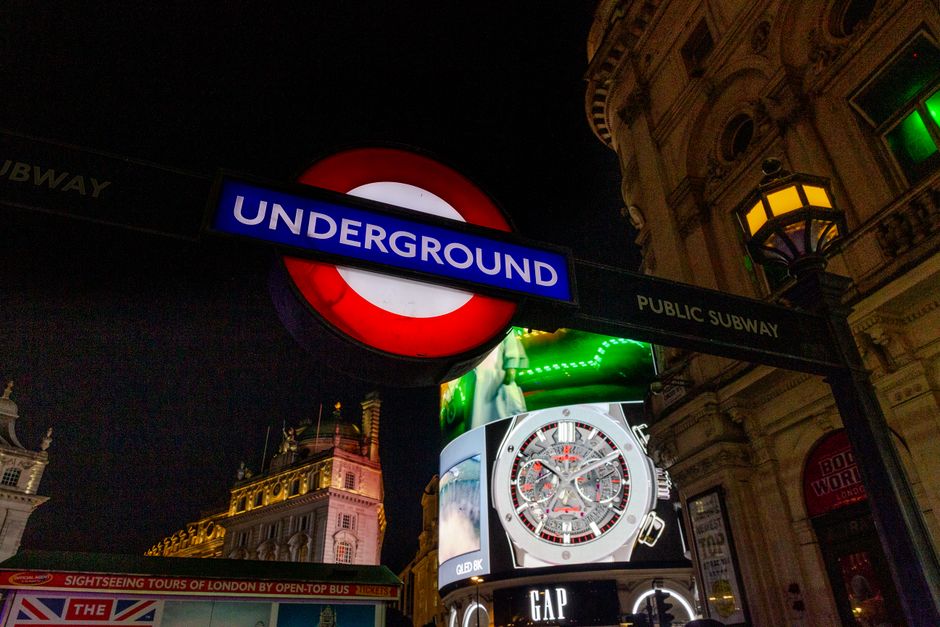
Piccadilly Circus rubbish removal guide for Central London
If you are dealing with unwanted waste near Piccadilly Circus, you already know this is not a simple back-street job. Traffic, footfall, loading restrictions, narrow time windows, and the general pace of Central London can turn a basic clearance into a logistical headache. This Piccadilly Circus rubbish removal guide for Central London is designed to make the process clearer, calmer, and far more manageable.
Whether you are clearing a flat off Shaftesbury Avenue, removing office junk after a refit, or getting bulky items out of a busy commercial property, the trick is to plan the removal properly and choose the right method for the type of waste you have. Let's face it, nobody wants a van parked awkwardly in the middle of the day while people are trying to move, work, or get to a show.
Below, you will find a practical, locally aware guide covering how rubbish removal works in this part of London, what to expect, what mistakes to avoid, and when a professional service can save time and stress. There is no fluff here. Just the kind of advice that helps you get the job done cleanly, legally, and without a last-minute scramble.
Why Piccadilly Circus rubbish removal guide for Central London matters
Piccadilly Circus sits right in the middle of one of the most demanding parts of the city. Waste removal here is not just about lifting items into a van. It is about timing, access, discretion, and keeping disruption to a minimum. A few bins, an old sofa, some office packaging, or builders' rubble can be easy in a quiet suburb. In Central London, it is another story entirely.
That matters for a few very practical reasons. First, many properties around the West End have limited service access. Second, roadside stopping can be awkward, expensive, or simply not possible at the time you need it. Third, rubbish can build up fast in commercial settings, especially where retail, hospitality, and office spaces all operate close together. One messy corridor can become a real problem if staff, customers, or contractors are moving through the same entrance all day.
This is also an area where presentation counts. A small pile of rubbish outside a shop or office can look untidy very quickly, and in a place as visible as Piccadilly Circus, that can affect how people see the business. No one wants their front-of-house experience undermined by a stack of broken furniture and black sacks near the doorway. A proper clearance approach helps avoid that awkwardness.
Expert summary: in this part of London, rubbish removal is as much about coordination as it is about collection. The best outcome usually comes from separating the waste, booking at the right time, and choosing a service that understands busy Central London conditions.
How Piccadilly Circus rubbish removal guide for Central London works
The process is usually straightforward once you break it into stages. You identify the waste, decide what needs removing, and arrange collection in a way that fits the building and the street outside. That sounds simple. On the ground, it often means thinking about access, parking, loading, and whether items need to be carried down stairs, through a lift, or across a shared courtyard.
For domestic jobs, people often use rubbish removal for items like broken furniture, white goods, bags of clutter, old mattresses, and end-of-tenancy waste. For business customers, the job can include office chairs, desks, archive material, packaging waste, and general clear-out rubbish. If the clearance includes mixed furniture, a service like furniture disposal can be useful, while larger business clean-ups may sit better under business waste.
If the waste includes building debris, plasterboard, timber, or other renovation leftovers, the job becomes more specialised. That is where builders waste support may be more appropriate, because construction material needs different handling from general household junk. And yes, the difference matters. It affects loading, sorting, disposal method, and sometimes the overall cost.
In practical terms, a good removal service will usually:
- ask what type of waste you have
- confirm whether access is straightforward or restricted
- estimate how much can be removed in one visit
- arrive with the right labour and vehicle size
- remove the waste and dispose of it responsibly
That final point is easy to overlook. Disposal is not an afterthought. It is the whole point. If a load leaves the site but ends up being handled badly afterwards, you have not really solved the problem. You have just moved it somewhere else.
Key benefits and practical advantages
There are several reasons why organised rubbish removal makes sense around Piccadilly Circus, especially if you are working to a deadline or dealing with restricted space.
1. Less disruption
In busy streets, the wrong timing can create a chain reaction of small problems: blocked walkways, awkward handovers, and staff getting in each other's way. A well-planned collection reduces that noise and confusion. That matters whether you are running a restaurant, a shop, a flat share, or an office.
2. Better use of time
If you were to hire a van, load everything yourself, and drive it across Central London, you would probably lose half a day before you even reach the disposal point. Professional rubbish removal compresses that whole process. The difference is often bigger than people expect. One call, one visit, done.
3. Safer handling of bulky items
Old wardrobes, broken sofas, and heavy desks are awkward at the best of times. Add stairs, tight hallways, or a building with limited lift access and it becomes a proper manual handling job. Using the right help reduces the chance of knocks, scratches, or injury. It is not glamorous, but it is sensible.
4. Cleaner property presentation
For customer-facing businesses near Piccadilly, cleanliness is part of the brand. A cluttered front door, even for an hour or two, can undermine the impression you are trying to make. Removal at the right time keeps the place looking cared for.
5. More flexible for mixed waste
Real-life clearances are rarely tidy categories. You might have a broken sofa, a bit of office equipment, some packaging, and a few bags of general rubbish all in the same space. Services like rubbish removal and waste removal are often the easiest route when the load is mixed and needs removing in one go.
To be fair, that convenience is one of the biggest reasons people use a professional service. Nobody plans to spend a Saturday morning wrestling an office chair through a narrow corridor. Yet there it is, every week for someone.
Who this is for and when it makes sense
This guide is useful for anyone in or around Piccadilly Circus who needs rubbish removed quickly, neatly, and without turning the day upside down.
Homeowners and tenants
If you are moving out, downsizing, or clearing accumulated clutter from a flat, rubbish removal can take the pressure off. It is especially helpful where stair access is awkward or the building has shared entrances. For fuller property clear-outs, you may also want to consider flat clearance or home clearance.
Landlords and agents
End-of-tenancy rubbish is a common headache in Central London. Left-behind furniture, broken appliances, and general junk can delay the next let if it is not dealt with quickly. A swift clearance can get a property back into shape without dragging the schedule out.
Offices and commercial premises
Businesses often need removals after a refit, relocation, stock change, or seasonal tidy-up. A lot of the time, the problem is not a mountain of waste. It is just enough waste to be annoying. The kind that takes up one meeting room, a strip of corridor, or the back of a storage cupboard. In those cases, office clearance can be the right fit.
Contractors and renovation teams
If a job has produced rubble, offcuts, and packaging, you need a removal solution that fits the pace of the site. Builders' waste can pile up fast, and the last thing you want is a tidy workspace turning into a trip hazard by mid-afternoon.
Hospitality and retail operators
Restaurants, bars, salons, and shops near Piccadilly Circus often work to tight opening hours. Waste management needs to be discreet and fast. A service that can clear stock, packaging, furniture, or back-of-house clutter without causing public disruption is a real advantage.
When does it make sense? Usually when the waste is too bulky, too much, too awkward, or too time-sensitive for you to handle alone. That is the honest answer. If you can remove it safely and legally yourself, fine. If not, get help and keep the day moving.
Step-by-step guidance
If you want the process to run smoothly, a little preparation goes a long way. Here is a practical way to handle rubbish removal in this part of London.
- Identify the waste clearly. Write down what needs going. Furniture, black bags, white goods, building debris, office clutter, garden waste, or mixed items all affect how the job is handled.
- Separate what can be reused, donated, or recycled. You do not need to overcomplicate it, but sorting beforehand can reduce the amount of material that needs to be removed as general waste.
- Check access. Ask yourself: can a van stop close by? Are there loading restrictions? Is there a lift? Are there stairs, narrow halls, or concierge rules?
- Measure the bigger items. A sofa that looks manageable can become a different story once you realise it will not bend around the staircase. Happens all the time.
- Choose the right service type. Use a general waste service for mixed rubbish, furniture disposal for bulky items, or a specialist service for office or builders waste.
- Confirm timing. In Central London, time of day matters. Early slots can be easier for access and often cause less disruption.
- Prepare the collection point. If items can be placed together safely, the loading process is usually quicker. Keep corridors clear and fragile items out of the way.
- Ask about disposal. Make sure the waste will be taken away and processed properly, not just shifted out of sight.
One small but useful tip: do a final sweep before the team arrives. People often forget things tucked behind doors, inside cupboards, or under desks. Then five minutes after the van leaves, someone spots an old printer cable and says, "Ah, we missed that." Naturally.
Expert tips for better results
These are the little things that make a big difference in Piccadilly Circus and the surrounding Central London streets.
- Book around the building's quietest window. If your property or business has predictable busy periods, avoid them. Even a short collection can feel disruptive if it lands at the wrong time.
- Keep mixed waste separate where possible. A clean sort between furniture, recyclables, and general rubbish can make the whole job more efficient.
- Think about the walk distance. A collection point that is only 30 metres away on paper may feel much longer when carrying a fridge down stairs.
- Photograph bulky items in advance. Not for drama. Just for clarity. It helps everyone understand what is being removed.
- Use service pages to match the job type. If you know you have a specific item, a dedicated option such as sofa removal can be more straightforward than describing everything as general rubbish.
- Leave a bit of buffer time. Traffic in Central London is traffic in Central London. If the job has to happen exactly on the minute, you may be setting yourself up for frustration.
Another useful habit is to be realistic about labour. Sometimes people try to save money by moving heavy items themselves, only to realise halfway down the stairs that the plan was... optimistic. Not ideal. Not at all.
Common mistakes to avoid
The biggest mistakes are usually simple ones, but they can create delays, extra cost, or unnecessary stress.
Leaving booking too late
In a busy part of London, same-day urgency can sometimes be possible, but leaving it to the last minute limits your options. The more notice you give, the easier it is to coordinate access and timing.
Mixing everything together without checking
Some waste needs different handling from ordinary household rubbish. If you combine building debris, electrical items, and general waste without thinking it through, you may make the job harder than it needs to be.
Underestimating access issues
A clearance on paper may look tiny. In reality, access can be the main challenge. Narrow stairwells, loading bays, pedestrian zones, and shared entrances all matter. They really do.
Assuming every item can go in one load
That old wardrobe, a mattress, three filing cabinets, and six bags of clutter may not be as small as you think. A slightly larger load or a second visit might be needed, and that is better than pretending otherwise.
Forgetting about compliance
You should not hand waste to someone who cannot show they handle it properly. In the UK, that is not just a nice-to-have. It is part of responsible waste management. More on that below.
Tools, resources and recommendations
You do not need a van-load of equipment to prepare for rubbish removal, but a few simple tools help.
- Heavy-duty bin bags for loose clutter and small mixed waste
- Gloves to handle rough edges, dust, and awkward packaging
- Tape or labels for marking what stays and what goes
- Measuring tape for sofas, desks, cabinets, and appliances
- Phone photos to document large items or complex access points
- Basic cleaning kit for a final sweep once the waste is gone
In terms of service selection, think in categories rather than just price. A cheap-looking option can be costly if it creates delays or poor handling. A better match is a service that fits the type of waste, the building layout, and your timing.
Useful related options on this site include rubbish clearance, waste clearance, rubbish collection, and waste collection. They all sit in the same practical family, but the right choice depends on what you are clearing and how quickly it needs to happen.
If you are clearing a property rather than just removing loose rubbish, broader services like house clearance can be more efficient than piecing the job together item by item.
Law, compliance, standards, or best practice
Waste removal in Central London should be approached with care. You do not need to be a legal expert, but you do need to use common sense and work with a provider that handles waste responsibly.
At a practical level, the key principle is simple: waste should be collected, transported, and disposed of properly. That means clear identification of the waste type, sensible handling, and responsible downstream processing. If you are a business, you also have a duty to keep your premises clean and to make sure the waste leaving the site is managed appropriately.
For many people, the biggest compliance risk is not something dramatic. It is using the wrong person for the job. If waste is fly-tipped or handled badly after it leaves your site, it can become your headache. Nobody needs that sort of surprise.
Best practice is to:
- use a reputable waste service
- separate special or bulky items before collection
- keep records where relevant for business waste
- avoid leaving rubbish in places where it blocks public access
- make sure the collection timing fits building rules and local access conditions
If your job involves office contents, commercial stock, or a full premises clear-out, consider business waste or office clearance rather than treating everything as ordinary household rubbish. That distinction is useful in practice and helps keep the job properly organised.
Options, methods, or comparison table
Different waste removal methods suit different situations. Here is a simple comparison to help you choose.
| Method | Best for | Pros | Watch out for |
|---|---|---|---|
| DIY removal | Small loads, simple access, flexible timing | Low direct cost, full control | Time-consuming, heavy lifting, parking and disposal hassle |
| Man-and-van style collection | Mixed household waste, furniture, quick clear-outs | Fast, convenient, less lifting for you | Needs accurate description of the load and access |
| Specialist clearance | Offices, building waste, full property clearances | Better suited to larger or more complex jobs | May need more planning and coordination |
| Dedicated item removal | Single bulky items like sofas or mattresses | Efficient for one-off jobs | Less suitable if you also have mixed waste |
In the Piccadilly Circus area, the right method is often the one that minimises time on site. Streets are busy, space is tight, and everyone is trying to get somewhere. Simplicity often wins.
Case study or real-world example
Here is a realistic example from the sort of work people often need in this area.
A small office just off Piccadilly Circus had been gradually clearing out old desks, broken chairs, archived paperwork, and boxes of packaging after a refurbishment. The team had been trying to work around the waste for days. It was not a dramatic mess, but it was enough to make the room unusable. People were stepping around piles, and the place had that slightly stale, cardboard-and-dust smell you notice after a fit-out.
The practical solution was to separate the items into furniture, general rubbish, and anything that needed special handling. The collection was arranged for a quieter part of the day, with access checked in advance so the loading could happen quickly. A few bulky items were moved from the office to the loading point first, then the mixed waste was cleared in one sweep. The result was not just a tidier room. It was a usable room again.
What made the difference? Not luck. Planning. A bit of sorting, a realistic idea of what would fit in one visit, and a clear understanding of the building access. Nothing fancy. Just sensible work done in the right order.
Practical checklist
Use this before your collection day so nothing important slips through the cracks.
- List every item that needs removing
- Separate bulky furniture from loose rubbish
- Check whether any items need specialist handling
- Measure large items and note access points
- Confirm stairs, lifts, loading, and parking conditions
- Pick a time that suits the building and the street
- Remove personal or sensitive items first
- Label what stays and what goes
- Clear the path to the collection point
- Keep important contact details handy on the day
- Ask how the waste will be disposed of
- Do a final walk-through after collection
If you are clearing a messy flat, a full house, or a property that has simply got away from you a bit, it can also help to look at house clearance or home clearance so the job is matched to the scale of the space.
Conclusion
Rubbish removal around Piccadilly Circus is really about making a difficult location feel manageable. Once you account for access, timing, waste type, and how much needs moving, the whole task becomes much less stressful. That is the main point of this guide: not to overcomplicate things, but to help you avoid the common traps that waste time and create mess.
If you plan carefully, choose the right removal method, and keep compliance in mind, you can clear waste from even the busiest part of Central London without turning it into a major disruption. And that is a pretty good outcome, all things considered.
Get a free quote today and see how much you can save.
For a trustworthy next step, review the service that best matches your load, then move forward with confidence. A cleaner space has a way of making everything else feel a bit easier, and honestly, that never gets old.
Frequently Asked Questions
What is the best way to arrange rubbish removal near Piccadilly Circus?
The best approach is to identify the type and volume of waste first, check access and timing, and then choose the removal service that matches the job. In a busy area like Piccadilly Circus, planning around traffic and building access is usually the biggest time-saver.
Can I get rid of mixed rubbish and furniture in one collection?
Yes, often you can. Mixed loads are very common. If you have furniture alongside bags of rubbish, a service that handles both general waste and furniture disposal is usually the simplest option.
Is rubbish removal suitable for offices as well as homes?
Absolutely. Office clear-outs are common in Central London, especially after refits, relocations, or end-of-lease changes. For commercial sites, office clearance or business waste services are often the better fit.
How do I know if I need builders waste removal instead of general rubbish removal?
If your waste includes rubble, timber, plasterboard, or other renovation debris, you are probably dealing with builders waste rather than ordinary rubbish. That distinction matters because construction-related waste often needs a different handling approach.
What should I check before booking a collection in Central London?
Check access, parking or loading restrictions, lift availability, stair width, item size, and whether any waste needs separate handling. A few minutes of checking can save a lot of hassle later.
Do I need to sort the waste before collection?
Not always, but some sorting helps. At minimum, separate valuable items, personal belongings, and anything that may need special handling. The clearer the load, the smoother the collection.
What happens to the waste after it is collected?
It should be taken away for responsible disposal, and where possible, items may be separated for reuse or recycling. Good waste removal is not just about lifting things away from the property.
Is sofa removal different from general rubbish removal?
It can be. Sofas are bulky, awkward, and often best handled as a dedicated item removal. If you only have one or two large items, a sofa removal service may be more efficient than a general clearance.
How long does rubbish removal usually take?
That depends on the amount of waste, access, and how much is already prepared. A small, straightforward job may be quick, while a larger mixed clearance can take longer. In Central London, access can matter as much as the load itself.
Can rubbish removal be done from a flat with stairs or no lift?
Yes, but it needs to be planned properly. Stairs, narrow landings, and awkward turns can affect how the collection is carried out, so it is best to mention those details in advance.
What if my waste is mostly office furniture and equipment?
That is usually better handled as office clearance or business waste rather than generic rubbish removal. It keeps the job organised and ensures the right disposal route is used for the items involved.
Why is rubbish removal in Piccadilly Circus more complicated than elsewhere?
Because the area is busy, highly visible, and often restricted in terms of access and stopping. Even a simple collection can need more coordination than it would in a quieter part of London.
How can I make the collection day go more smoothly?
Clear the path, label what is staying and what is going, keep the waste together, and make sure someone is available to answer questions if needed. Small things, but they help a lot.