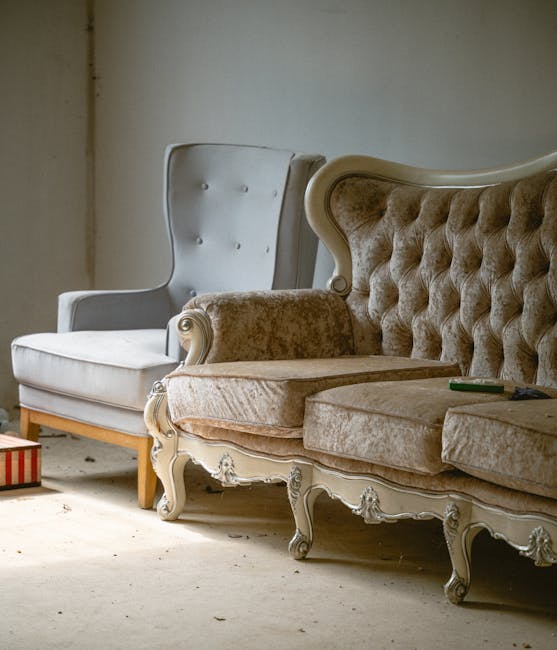
Affordable sofa disposal options in Central London
Getting rid of an old sofa in Central London sounds simple until you actually try to move one through a narrow hallway, down a couple of flights of stairs, and past a parked car that never seems to move. That is usually the moment people realise sofa disposal is less about "throw it away" and more about choosing the right, affordable, and practical route.
This guide breaks down Affordable sofa disposal options in Central London in plain English. You will see the cheapest routes, the faster routes, the safer routes, and the ones that make life easier when you are dealing with awkward access, a heavy corner sofa, or a tight deadline. If you want a straightforward next step, you may also find it useful to look at sofa removal services and broader furniture disposal options that fit different property types and collection needs.
Truth be told, the best choice is rarely the one that sounds cheapest at first glance. It is the one that saves you from missed lift bookings, blocked stairwells, and that dreaded "sorry, we could not collect because it was too large" moment. Lets face it, nobody wants that on a busy weekday.
Table of Contents
- Why affordable sofa disposal matters
- How sofa disposal works in Central London
- Key benefits and practical advantages
- Who this is for and when it makes sense
- Step-by-step guidance
- Expert tips for better results
- Common mistakes to avoid
- Tools, resources and recommendations
- Law, compliance, standards and best practice
- Options, methods and comparison table
- Case study or real-world example
- Practical checklist
- Conclusion
- Frequently asked questions
Why Affordable sofa disposal options in Central London Matters
Central London comes with a very particular set of challenges. Space is tight, parking is often awkward, and buildings are not always designed with bulky furniture in mind. A sofa might be only one item, but it can create outsized stress if you do not plan its removal properly.
Affordable disposal matters because a sofa is usually one of those purchases you do not think about until the moment it has to go. Maybe it is worn out, maybe the fabric has seen better days, or maybe you are replacing it after a move. Either way, leaving it in a hallway or communal area is not ideal, and in many properties it simply is not allowed.
There is also the money side. Sofa removal prices can vary depending on size, access, floor level, lift availability, and whether the item needs dismantling. In our experience, the cheapest-looking option can become the most expensive if you need extra help on the day. That is why readers often compare sofa disposal with related services such as rubbish removal or wider waste clearance when they already have other items to move.
There is a practical benefit too: choosing the right method saves time, reduces disruption, and lowers the risk of damage to walls, floors, or shared entrances. That matters in a flat in Holborn just as much as in a townhouse near Westminster. One awkward sofa can turn into a whole afternoon if you are not prepared.
How Affordable sofa disposal options in Central London Works
At a basic level, sofa disposal works in one of four ways: you take it apart and move it yourself, you book a collection service, you arrange a broader clearance, or you combine the sofa with other furniture and waste so it is removed in one visit. The right choice depends on the item, your property, and how quickly you need it gone.
Most professional collections begin with a short description or photo. That helps estimate the access required, the size of the item, and the crew needed. A two-seater sofa from a ground-floor flat is a different job from a three-piece suite up three narrow flights in a mansion block. Sounds obvious, but it is exactly the sort of detail people forget when they are in a hurry.
For many Central London properties, the collection team needs to consider parking and loading restrictions, stairs, concierge access, and lift availability. If the sofa is particularly large, it may need to be dismantled. If the fabric or frame has old damage, the load may be treated as standard bulky waste rather than reusable furniture.
Some people pair sofa disposal with a larger clear-out, especially when moving out or refreshing a rental. That is where services like home clearance, flat clearance, or even house clearance can be more efficient than booking item-by-item removals. If the sofa is part of an office refit or commercial move, office clearance or business waste may also be relevant.
Key Benefits and Practical Advantages
The biggest benefit is simple: you save effort. But there is more to it than that.
- Less physical strain: Sofas are awkward, heavy, and often harder to carry than they look. Anyone who has tried to pivot a sofa around a narrow stairwell knows the feeling.
- Faster turnaround: A booked collection can clear space quickly, which helps if a tenancy is ending or a new sofa is arriving the same week.
- Cleaner finish: Professional removal avoids the "just leave it outside and hope" approach, which is risky and not always permitted.
- Better cost control: Choosing the right service level helps you avoid paying for more labour or vehicle space than you need.
- Less disruption to neighbours: In shared buildings, a smoother, quieter collection tends to be appreciated by everyone involved.
There is also a psychological benefit. A bulky old sofa can make a room feel stuck. Once it is gone, the space suddenly breathes again. You notice the light, the floor, the room shape. Small thing, maybe. But it makes a difference.
For many people, the best affordable option is the one that combines sofa collection with other unwanted items. If you have a few extra pieces lying around, you might not need a separate job at all. A bundled service can be especially sensible alongside rubbish clearance or waste removal.
Who This Is For and When It Makes Sense
This topic matters to a fairly wide range of people, not just homeowners. If you live or work in Central London, there is a good chance a sofa disposal decision will come up sooner or later.
- Tenants moving out: You need the sofa gone before check-out, and you probably do not want to spend the entire weekend wrestling with it.
- Landlords and letting agents: Furniture often has to be removed between tenancies, sometimes at short notice.
- Homeowners redecorating: Old sofas can hold a room back when the rest of the space is being refreshed.
- Flat sharers: Shared buildings make access and timing more complicated, so convenience matters.
- Offices and commercial spaces: Reception seating, waiting-room sofas, and breakout furniture often need professional disposal as part of a larger clear-out.
It also makes sense when the sofa is no longer worth donating or reusing. If it is heavily stained, broken, unsafe, or simply too cumbersome to move, disposal is usually the most realistic path. The same applies when other items are being cleared at once, such as wardrobes, chairs, or tables. In that case, a broader furniture and waste service can be more cost-effective than handling each piece separately.
A quick rule of thumb: if you are asking yourself, "How am I actually going to get this thing out?" then you are probably at the point where a proper collection service starts to make sense.
Step-by-Step Guidance
If you want to keep the process affordable, the trick is to plan in a sensible order. A rushed booking can cost more than a careful one. Here is the practical route.
- Identify the sofa type. Measure length, depth, and height. Note whether it splits into sections or has removable legs.
- Check access. Look at stair width, lift size, hallway turns, parking constraints, and whether there is concierge or building management approval needed.
- Decide whether it can be reused. If it is still in decent condition, reuse or resale may be possible. If not, disposal is usually the cleanest option.
- Choose the collection method. Compare a single-item sofa removal against a fuller furniture or rubbish service. If you have more items, you may save money by grouping them.
- Prepare the area. Clear the route, remove cushions and loose parts, and make sure the sofa is accessible on the day.
- Confirm timing. In Central London, timing matters more than people expect. A fifteen-minute parking delay can snowball.
- Ask for a clear quote. Make sure the estimate reflects the actual item, access, and any extra labour required.
A small practical note: if the sofa is in a basement room, top-floor flat, or basement office, mention that upfront. Nobody enjoys surprises on collection day, least of all the crew carrying the sofa down the stairs. And you, probably not either.
Expert Tips for Better Results
Affordable sofa disposal is mostly about reducing friction. The less time and labour the job needs, the better the value tends to be.
1. Group items wherever possible
If the sofa is only one of several pieces, ask whether they can all go together. This often improves value and avoids separate bookings. A single visit can deal with a sofa, a chair, a side table, and a few bags of waste.
2. Be honest about access
It is tempting to say "easy access" because, well, it sounds easier. But if the sofa has to pass a tight bend or a small lift, that matters. Honest details help prevent extra charges and awkward delays.
3. Remove anything detachable
Take off cushions, legs, throws, and loose parts in advance. This reduces bulk and makes handling simpler. It sounds minor, but minor things add up.
4. Keep the route clear
Move shoes, bins, prams, and anything else that narrows the path. In a London flat, every inch counts.
5. Think about timing
Midweek morning slots are often easier to manage than busy end-of-day windows. If you are in a building with shared access or porters, coordinate early.
Another good habit is to ask whether your sofa can be handled alongside related services such as furniture disposal or waste disposal. That is often where the real savings live, not in chasing the lowest headline price.
Common Mistakes to Avoid
People usually do not make sofa disposal harder on purpose. It just happens when details get missed.
- Underestimating the size: A sofa looks manageable until you try to rotate it through a doorway.
- Ignoring access restrictions: Central London streets can be unforgiving if the vehicle cannot stop where you expected.
- Forgetting building rules: Some properties need advance notice for bulky item movement or lift protection.
- Leaving it too late: If a move-out date is looming, options become narrower and sometimes pricier.
- Booking the wrong type of service: A general rubbish job may not be the best fit if the main task is furniture removal.
- Not checking whether the sofa has to be dismantled: This can affect labour and time on site.
One of the more common errors is assuming every sofa can go with a simple collection. A compact two-seater from a modern flat is one thing. A bulky corner unit from a period building with tight stairs is something else entirely. Different beast, really.
It is also a mistake to treat sofa disposal as separate from the rest of the clear-out if you already have multiple items to remove. Sometimes a wider pickup through rubbish collection or waste collection is the cleaner and more affordable route.
Tools, Resources and Recommendations
You do not need fancy equipment to prepare for sofa disposal, but a few basics help.
- Measuring tape: Measure the sofa and key access points before booking.
- Phone camera: A few clear photos help describe the item accurately.
- Protective gloves: Useful if you are moving loose parts or clearing a route.
- Blankets or floor protection: Helpful when moving the sofa within the property before collection.
- Basic screwdriver or hex key: Handy if the sofa legs or sections can be detached safely.
From a service perspective, it is worth comparing whether you need a dedicated sofa collection or a broader service line. If you are dealing with a few bulky items across a home or flat, a fuller package like home clearance or flat clearance may be more practical. For larger domestic jobs, house clearance can be a better fit. And for mixed waste from a larger move or renovation, consider whether rubbish removal or waste removal would be the right umbrella service.
If your sofa is being removed from a workplace, reception, or serviced office, the commercial route matters too. That is where office clearance and business waste become especially relevant.
Law, Compliance, Standards and Best Practice
For sofa disposal in Central London, the main compliance concern is making sure waste is handled responsibly and lawfully. You do not need to become a legal expert, but you do need to avoid shortcuts that create problems later.
In practical terms, that means using a service that can transport and dispose of waste properly, and not leaving bulky furniture in communal areas, on pavements, or beside bins unless you have arranged it that way and it is permitted. Local buildings may also have their own rules about access times, loading bays, lift use, and protection for walls or flooring.
If a sofa includes materials that need special handling, or if the item is combined with other waste streams, the disposal method should match the type of material involved. The safest approach is to describe the item clearly and keep the job simple and transparent.
Best practice also means avoiding fly-tipping and not asking anyone to "just take it away" if they cannot explain how it will be handled. Affordable should never mean careless. The good operators are usually the ones who ask the right questions early, not the ones who promise the moon and disappear at the kerb.
If you are clearing multiple rooms or doing a broader declutter, it can be more sensible to plan the work as part of a wider waste clearance or property clearance job. That keeps the process orderly and reduces the chance of mismatched disposal methods.
Options, Methods, or Comparison Table
Here is a simple way to think about the main sofa disposal routes.
| Option | Best for | Typical strengths | Watch-outs |
|---|---|---|---|
| Self-removal | Small sofas, easy access, short distances | Can be cheap if you already have a vehicle and help | Heavy lifting, time, vehicle size, risk of damage |
| Single-item sofa collection | One sofa, straightforward access | Convenient and usually fast | May not be best value if you also have other items |
| Furniture disposal service | One or more bulky furniture items | Good balance of cost, convenience, and flexibility | Needs accurate item details for proper quoting |
| Flat or house clearance | Multiple items or larger property clear-outs | Often best for bundles and bigger jobs | May be more service than you need for one sofa |
| Waste collection/removal | Mixed rubbish plus furniture | Useful when the sofa is part of a larger clean-up | Not always the ideal fit for reusable furniture |
For many readers, the sweet spot is somewhere between dedicated sofa removal and a broader furniture or flat clearance. If you only have one item, keep it simple. If you have three or four bulky pieces, widen the scope. That is often where affordability really shows up.
Case Study or Real-World Example
Imagine a two-bedroom flat near central transport links, with a three-seater sofa that has to go before a new tenant moves in. The sofa is on the second floor, there is a lift, but it is narrow, and parking outside is limited to a short loading window. Nothing dramatic. Just a very London problem.
The resident first considers hiring a van and moving it personally. But after measuring the sofa and the lift, it becomes obvious that it will need at least two people and probably some dismantling. That makes the cheap self-removal plan less cheap, fast.
Instead, the better option is to arrange a collection that also removes a couple of old dining chairs and a broken lamp. The quote becomes more efficient because the crew can deal with everything in one visit. The route is cleared in advance, building access is confirmed, and the items are out before lunchtime. Not glamorous, but very effective.
This kind of scenario is common. The job is rarely just about the sofa. It is about timing, access, and keeping the rest of the move or refurbishment on track.
Practical Checklist
Use this before you book anything.
- Measure the sofa and check whether it can be split into sections
- Confirm the number of floors and whether a lift is available
- Check doorway, hallway, and stair width
- Take photos of the sofa from a few angles
- Decide whether other furniture or waste should go too
- Clear the route from the sofa to the exit
- Ask about parking or loading restrictions
- Confirm the collection time and access arrangements
- Make sure building management or concierge is aware if needed
- Choose the option that balances cost, convenience, and proper disposal
If you have ever stood in a doorway wondering how on earth a sofa got into the room in the first place, you are not alone. People forget this all the time. The right checklist saves a lot of back-and-forth.
Conclusion
Affordable sofa disposal in Central London is really about making smart choices. Measure first, plan the access, be honest about what needs removing, and match the job to the right service. That simple approach usually beats chasing the absolute lowest price without checking the practical details.
If you are dealing with one sofa, a focused removal can be the best value. If you are clearing several bulky items, a wider furniture or property clearance may save more overall. And if you want to keep the process smooth from start to finish, accuracy and preparation matter as much as price. They always do, in the end.
For many homes and businesses, the easiest next step is to compare your sofa with the rest of the items you need gone, then choose the most efficient collection route. If that route includes a full property clear-out, the related services on this site can help you shape the job properly, whether it is a flat, house, office, or mixed waste removal.
Get a free quote today and see how much you can save.
And once the old sofa is out, the room usually feels lighter straight away. Funny how that works.
Frequently Asked Questions
What is the cheapest way to dispose of a sofa in Central London?
The cheapest option is often the one that fits your situation cleanly. If you can safely move the sofa yourself and you already have transport, that may cost less. But for many people, a single-item collection is more practical once you factor in parking, labour, and time.
Can a sofa be collected from a flat with stairs?
Yes, in many cases it can. The key issue is access. Stairs, narrow landings, tight turns, and lift size all affect how the collection is handled, so those details should be shared before booking.
Do I need to dismantle the sofa before collection?
Not always, but it can help. Detaching legs or sections can make moving easier and may reduce the time needed on site. If dismantling is awkward or risky, it is better to leave it intact and explain the situation clearly.
Is sofa removal the same as furniture disposal?
Not exactly. Sofa removal is usually a focused service for one item, while furniture disposal can cover multiple pieces such as chairs, tables, wardrobes, and beds. If you have more than one bulky item, furniture disposal may be better value.
What happens to the sofa after it is collected?
That depends on its condition and the collection method. Some items may be suitable for reuse or recovery, while others are handled as waste. The important point is that it should be dealt with responsibly and not dumped illegally.
Can I combine sofa disposal with other rubbish removal?
Usually, yes. In fact, that is often the most cost-effective route. If you have bags of waste, old chairs, or other unwanted items, combining them into one booking can make more sense than arranging separate collections.
How do I know if a quote is fair?
A fair quote should reflect the sofa size, access difficulty, floor level, parking conditions, and whether the sofa needs dismantling. If a quote seems unusually low, check what is included so you do not get surprised later.
Is it better to use a flat clearance service instead of sofa removal?
If the sofa is the only item, sofa removal is often enough. If you are clearing several rooms or moving out of a flat, a flat clearance service may be more efficient and better value overall.
What should I do if the sofa is damaged or very old?
Take photos and describe the condition honestly. Damaged or heavily worn sofas are usually still collectible, but they may not be suitable for reuse. Clear details help ensure the right disposal route is chosen.
Can businesses use sofa disposal services too?
Absolutely. Offices, serviced workspaces, and commercial premises often need sofas removed from reception areas, breakout spaces, or meeting rooms. In those cases, office clearance or business waste services may be the most suitable option.
How far in advance should I book sofa disposal?
If timing is flexible, book as early as you can, especially if you are in a busy Central London building with limited access windows. If you are under time pressure, try to provide accurate details upfront so the collection can be organised efficiently.
What is the best option if I also have other bulky items?
If you have a few extra pieces, bundling them into one collection is usually the smartest move. A furniture or waste clearance service may give you better value than booking the sofa alone and then paying again for the rest.